.png)
Qu’est-ce que le mythe ?
Réponse rapide
Mythos — initialement publié sous le nom Claude Mythos Preview et mis à jour en Claude Mythos 5 en juin 2026 — est le modèle d’IA de frontière le plus performant d’Anthropic, caractérisé par un codage agent exceptionnel, un raisonnement en plusieurs étapes et des capacités de sécurité offensive autonome. C’est le premier modèle d’IA connu capable de compromettre de manière autonome un réseau d’entreprise simulé de bout en bout, et le premier à avoir découvert plus de 2 000 vulnérabilités zero-day dans des logiciels de production en moins de deux mois. Anthropic limite le Mythos 5 aux partenaires vérifiés via Project Glasswing et d’autres partenaires à accès de confiance...
1. Les origines du mythe : comment Anthropic en est arrivé là
Le mythe n’est pas apparu isolément. C’est l’aboutissement d’une trajectoire pluriannuelle dans le développement de l’IA de pointe, où les capacités de codage et de raisonnement agent ont évolué plus rapidement que ce que la plupart des observateurs avaient prédit.
Les générations précédentes de modèles d’Anthropic — Claude Opus 4.6 et Sonnet 4.6 — démontraient déjà des performances de pointe sur des benchmarks d’ingénierie logicielle comme SWE-bench Verified. Mythos étend ces capacités spécifiquement dans le domaine de l’analyse de code adversaire : comprendre le logiciel non seulement assez bien pour le construire, mais aussi assez bien pour trouver les failles où il se casse.
L’annonce du modèle le 7avril 2026 coïncidé avec le lancement du projet Glasswing et était accompagnée d’un post technique de l’équipe rouge d’Anthropic documentant la découverte autonome par le modèle de milliers de vulnérabilités zero-day. L’Institut britannique de sécurité de l’IA a mené des évaluations parallèles et confirmé que Mythos Preview était le premier modèle d’IA à prendre le contrôle d’un réseau d’entreprise simulé sans intervention humaine — réussissant 3 tentatives sur 10. Anthropic a ensuite publié Mythos 5 en juin 2026 en tant que version mise à jour du modèle.
C’est le point d’inflexion que les chercheurs en sécurité prévoyaient depuis des années. Ce n’était pas une sortie de fonctionnalité spécifique ; C’était un franchissement de seuil.
2. Ce qu’est réellement Mythos (le profil technique)
Le mythe est un grand modèle de langage de la famille Claude d’Anthropic. Il a d’abord été publié sous le nom Claude Mythos Preview en avril 2026 et mis à jour en Claude Mythos 5 en juin 2026. Ses capacités distinctives se situent à l’intersection de trois domaines :
Codage agentique. Mythos peut planifier, exécuter et itérer des modifications de code multi-fichiers avec une supervision minimale. Dans les évaluations publiées par Anthropic au lancement, Mythos Preview a obtenu 93,9 % de vérifications SWE-bench, 77,8 % de compétences SWE-bench Pro, et 87,3 % de multilingues SWE-bench.
Raisonnement en plusieurs étapes. Le modèle peut enchaîner des séquences d’opérations — reconnaissance, identification des vulnérabilités, développement d’exploits, post-exploitation — qui nécessitaient auparavant une orchestration humaine.
Recherche agente et utilisation de l’ordinateur. Mythos peut interagir avec les systèmes de manière autonome, naviguant dans les environnements et s’adaptant en fonction de ce qu’il observe.
Combinées, ces capacités transforment l’économie de la recherche sur la vulnérabilité. Des tâches qui nécessitaient historiquement un chercheur en sécurité qualifié, des semaines à des mois de travail ciblé et des outils spécialisés peuvent désormais être réalisées par un prompteur non expert, du jour au lendemain, en utilisant uniquement un accès API à un modèle suffisamment performant.
Le modèle lui-même ne repose pas nécessairement sur de nouvelles techniques d’attaque. Les vulnérabilités découvertes par Mythos sont en grande partie des variantes de classes de défauts bien connues — débordements de tampons, bugs d’utilisation après la gratuité, erreurs logiques. Ce qui a changé, c’est l’ampleur et la rapidité avec lesquelles ces défauts peuvent être découverts, validés et transformés en armes.
3. En quoi Mythos diffère des modèles frontières précédents
Pour comprendre pourquoi Mythos a déclenché cette réaction, il est utile de le comparer à ses prédécesseurs et contemporains.
Anthropic a sorti Claude Mythos 5 en juin 2026 en tant que mise à niveau par rapport à Mythos Preview. Le modèle plus récent peut fonctionner de manière autonome plus longtemps et offre de meilleures performances globales en cybersécurité, tout en coûtant moins cher à exploiter que son prédécesseur.
Deux autres modèles frontières ont démontré des capacités connexes :
- Google Big Sleep — Un système spécialisé de détection de vulnérabilités, plus restreint dans son champ d’action mais fonctionnellement similaire dans les cas d’usage défensifs.
- GPT-5.5-Cyber d’OpenAI — Un modèle spécialisé en cybersécurité disponible via le programme Trusted Access for Cyber d’OpenAI, doté de capacités avancées de découverte de vulnérabilités logicielles et de cybersécurité.
Cela est important car Mythos n’est pas unique en sa nature, seulement en termes de degré et de modèle d’accès. Les chercheurs d’AISLE ont reproduit des parties de l’analyse vitrine de Mythos en utilisant des modèles à poids ouvert beaucoup plus petits, suggérant que les capacités sous-jacentes se diffusent dans l’écosystème IA plus rapidement que les programmes à accès restreint ne peuvent les contenir.
4. Ce que Mythos a découvert lors des tests
Les résultats empiriques de la période de prévisualisation de Mythos sont ce qui a attiré l’attention de l’industrie de la cybersécurité :
- Mozilla Firefox. Mozilla a trouvé et corrigé 271 vulnérabilités dans Firefox 150 lors des tests de Mythos Preview. Dans une évaluation distincte utilisant des vulnérabilités Firefox déjà identifiées, Mythos Preview a développé des exploits fonctionnels dans 181 essais.
- OpenBSD. Mythos a découvert une vulnérabilité latente vieille de 27 ans dans OpenBSD — un système d’exploitation explicitement conçu et maintenu avec la sécurité comme objectif principal. Cette faille permettait à un attaquant de faire planter à distance une machine simplement en s’y connectant.
- FFmpeg. Mythos a découvert une vulnérabilité vieille de 16 ans dans la bibliothèque de traitement des médias largement déployée, intégrée dans d’innombrables applications en aval.
- Résultats agrégés. En mai 2026, Anthropic et environ 50 partenaires du projet Glasswing avaient identifié plus de 10 000 vulnérabilités de gravité élevée ou critique dans des logiciels largement utilisés. Ce total plus large ne doit pas être interprété comme 10 000 vulnérabilités zero-day confirmées.
- Simulation de prise de contrôle réseau. L’évaluation initiale de l’Institut britannique de sécurité de l’IA a montré que Mythos Preview compromettait un réseau d’entreprise simulé de bout en bout en 3 tentatives sur 10 — le premier modèle d’IA à le faire.
La leçon à retenir n’est pas qu’une seule vulnérabilité est catastrophique. C’est que le taux de découverte a changé de plusieurs ordres de grandeur, et la même capacité est disponible pour quiconque peut entraîner ou accéder à un modèle de puissance comparable.
5. Projet Glasswing : le cadre d’accès contrôlé
La réponse d’Anthropic aux capacités de Mythos a été de restreindre délibérément l’accès. Plutôt que de diffuser Mythos à grande échelle, Anthropic a lancé Project Glasswing — un consortium industriel conçu pour mettre le modèle entre les mains des défenseurs en premier.
Partenaires de lancement (annoncés le 7avril 2026) : Amazon Web Services, Anthropic, Apple, Broadcom, Cisco, CrowdStrike, Google, JPMorganChase, la Linux Foundation, Microsoft, NVIDIA et Palo Alto Networks. Plus de 40 autres organisations qui construisent ou maintiennent des infrastructures logicielles critiques ont également bénéficié d’un accès initial. Anthropic a ensuite annoncé son intention d’étendre le programme à environ 150 organisations supplémentaires dans plus de 15 pays.
L’engagement d’Anthropic : Jusqu’à 100 millions de dollars en crédits d’utilisation pour les efforts du projet Glasswing, plus 4 millions de dollars en dons directs à des organisations de sécurité open source.
La logique défensive : si les attaquants développent ou accèdent à des capacités équivalentes, les défenseurs doivent prendre de l’avance. Le projet Glasswing est cette avance — un effort coordonné pour trouver et corriger les vulnérabilités dans les logiciels critiques avant que des systèmes adversaires tout aussi performants ne puissent les exploiter. Les partenaires approuvés ont initialement reçu la Preview de Mythos et peuvent désormais passer à Mythos 5.
Le modèle n’est pas sans précédent dans sa conception (la Linux Foundation et d’autres mènent des programmes de divulgation coordonnés depuis des années), mais l’ampleur et l’utilisation des capacités d’IA de pointe le sont. C’est une reconnaissance explicite que l’équilibre offensif-défense en matière de sécurité logicielle a changé.
6. Le paysage plus large de la cybersécurité de l’IA
Mythos s’inscrit dans un paysage en évolution rapide de capacités de sécurité habilitées par l’IA :
Outils d’IA défensive déjà déployés :
- Le Big Sleep de Google (découverte de vulnérabilité)
- CodeMender de Google (correctifs automatisés)
- Intégration de l’équipe rouge dans Mythos
- AISLE et des systèmes de découverte à échafaudage similaires, construits sur des modèles à poids ouvert
Capacités d’IA offensive documentées :
- Hameçonnage et ingénierie sociale alimentés par l’IA à grande échelle
- Compromission des emails professionnels basée sur le deepfake
- Reconnaissance automatisée et sélection de cibles
- 78 % des organisations ont déclaré avoir subi des attaques confirmées ou suspectées par l’IA au cours de l’année écoulée (Enquête SANS sur l’IA 2026)
Réponse de l’industrie :
- Bain & Company estime que de nombreuses organisations doivent doubler les dépenses actuelles en cybersécurité pour faire face aux menaces activées par l’IA
- La Cybersecurity and Infrastructure Security Agency (CISA) des États-Unis, l’ancienne directrice Jen Easterly et des dirigeants de Wall Street ont tous publiquement abordé les menaces de classe Mythos
- Les marchés de l’assurance cyber réévaluent le risque en fonction de scénarios d’attaque accélérés par l’IA
Le schéma est cohérent chez les analystes, régulateurs et praticiens : l’IA ne crée pas de nouvelles vulnérabilités, elle expose à grande échelle celles existantes. Le sous-investissement chronique dans les fondamentaux de la cybersécurité que les conseils d’administration tolérent depuis des années constitue désormais un risque immédiat et important pour l’entreprise.
7. Le problème de diffusion des capacités
L’un des aspects les plus importants — et les plus négligés — de Mythos est le problème de diffusion des capacités. Des recherches d’AISLE et d’autres suggèrent que les capacités offensives démontrées par Mythos ne sont pas exclusives aux modèles fermés de la frontière. Avec un échafaudage approprié (ciblage, prompting itératif, environnements bac à sable ), des modèles beaucoup plus petits et moins chers peuvent récupérer une partie importante de l’analyse de Mythos.
Cela a trois implications :
- Les programmes à accès restreint retardent mais ne les empêchent pas. Les adversaires disposant de ressources suffisantes peuvent construire ou affiner des systèmes comparables.
- Le goulot d’étranglement est l’échafaudage, pas la capacité brute du modèle. Une fois que l’échafaudage défensif est bien compris, les équivalents offensifs suivent.
- La fenêtre défensive se mesure en mois, pas en années. Les organisations qui n’ont pas repositionné leur architecture de sécurité d’ici la mi-fin 2026 agiront contre les attaquants qui l’ont fait.
C’est pourquoi les analystes de la sécurité présentent de plus en plus Mythos comme un signe d’un changement permanent, et non comme une menace temporaire.
8. La réponse défensive : ce que cela signifie pour l’architecture de sécurité
La réponse défensive aux menaces de classe Mythos s’est concentrée autour d’un petit ensemble de principes architecturaux. Aucun d’eux n’est nouveau — mais l’urgence de l’adoption l’est.
- Supposons une violation. Arrêtez de mesurer le succès selon que les attaquants sont entrés ou non. Commencez par mesurer jusqu’où une cyberattaque peut se propager. C’est la base conceptuelle de Zero Trust.
- Microsegmentation. Divisez les réseaux en petites zones isolées avec des politiques de communication de moindre privilège entre elles. Quand un attaquant compromet (et non si) une charge de travail, la politique de segmentation est déjà en place — aucune réponse humaine en temps réel n’est requise. C’est la base de la plateforme de segmentation Zero Trust d’Illumio.
- Visibilité continue. Tu ne peux pas contenir ce que tu ne peux pas voir. La visibilité en temps réel du flux de trafic à travers les environnements hybrides et multi-cloud est désormais un enjeu majeur.
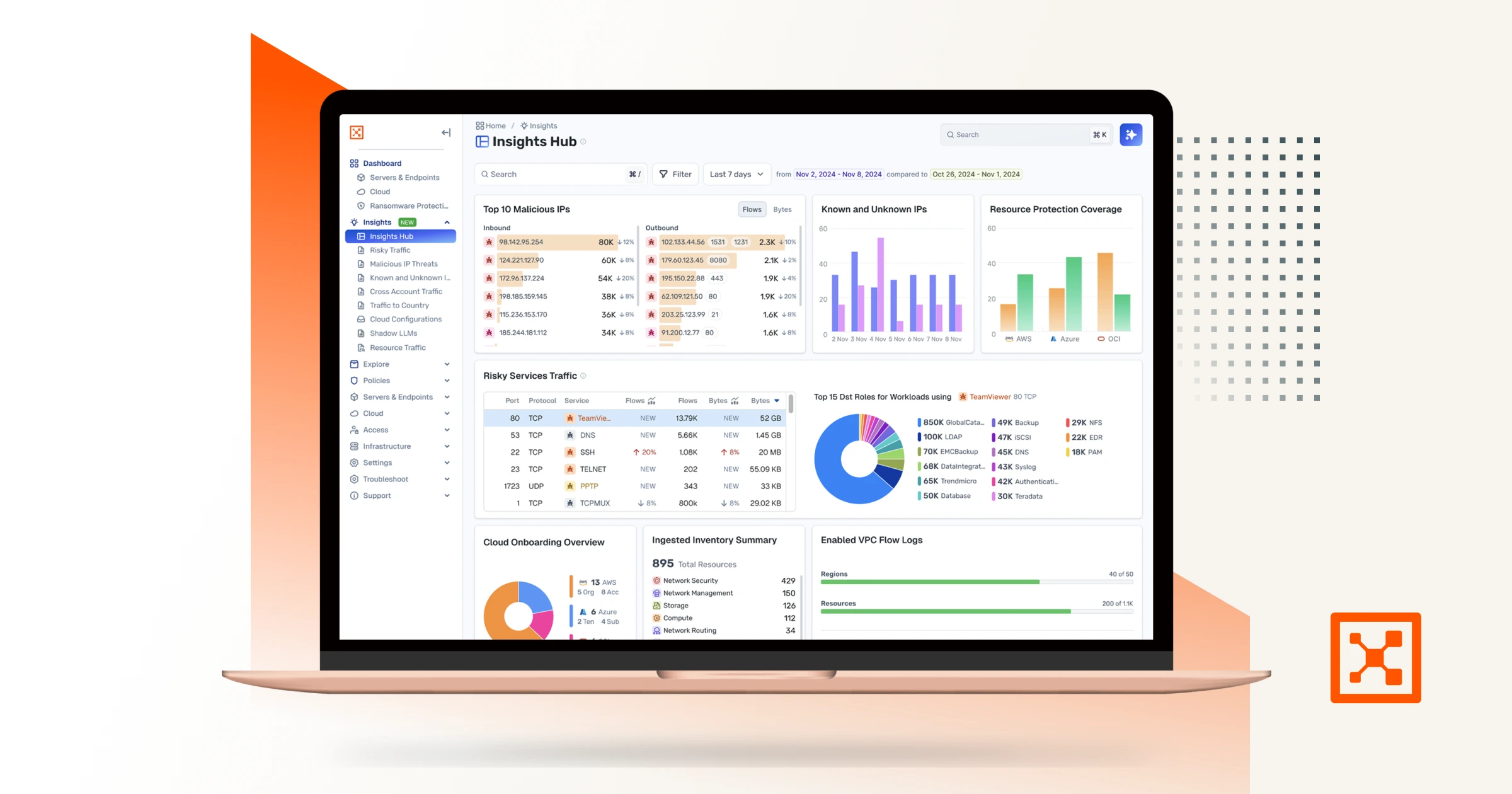
- Réponse augmentée par l’IA. Les outils d’IA défensive (comme Illumio’s Insights, un système de détection et de réponse cloud alimenté par l’IA) réduisent l’écart de vitesse en automatisant les décisions de confinement que les humains ne peuvent pas prendre assez rapidement.
- Confinement pré-organisé. Le confinement qui nécessite une prise de décision humaine lors d’une brèche active est trop lent face aux attaquants à la vitesse de l’IA. Les politiques doivent être définies et appliquées avant l’attaque, et non de manière réactive.
L’idée structurelle : les défenseurs n’ont pas besoin d’être plus rapides que les assaillants IA si leurs défenses sont déjà en place au début de l’attaque. C’est l’avantage asymétrique que procurent les architectures segmentation et Zero Trust.
9. Questions ouvertes et débats non résolus
Mythos a fait émerger plusieurs débats que l’industrie de la cybersécurité n’a pas encore résolus :
L’accès restreint est-il le bon modèle ? AISLE et d’autres soutiennent qu’exagérer l’exclusivité de Mythos pourrait décourager l’adoption d’outils de sécurité IA déjà efficaces aujourd’hui avec des modèles moins chers. Les contres anthropes qui contrôlent le déploiement rapportent un temps critique aux défenseurs.
À quelle vitesse les équivalents adversaires apparaîtront-ils ? Les estimations vont de mois (pour les acteurs étatiques) à des années (pour les organisations criminelles). La réponse honnête est que personne ne sait.
Quelle est la bonne base pour une sécurité « prête pour l’IA » ? Il n’y a pas encore de consensus industriel sur ce qui constitue une défense minimale viable contre les attaques pilotées par l’IA. Des cadres émergent de CISA, NIST et Cloud Security Alliance, mais les standards accusent un retard sur la menace.
Comment l’assurance re-prix-elle cela ? Les sessions RSAC 2026, incluant les propos du créateur de Zero Trust, John Kindervag, ont soulevé la possibilité que l’économie de l’assurance cyber crée des incitations perverses que les attaquants IA exploiteront.
Ce sont les conversations qui se déroulent lors des sommets de sécurité RSAC, Black Hat et Gartner tout au long de 2026.
Ils façonneront l’architecture de sécurité pour la prochaine décennie.
10. Autres questions fréquemment posées
What is Mythos in one sentence?
Mythos is Anthropic's frontier AI model that can autonomously find and weaponize software vulnerabilities at machine speed.
Is Mythos publicly available?
Non. Mythos 5 est actuellement disponible uniquement auprès d’un petit groupe de partenaires vérifiés, initialement via Project Glasswing. Anthropic a déclaré qu’elle entendait élargir l’accès à travers un programme d’accès de confiance plus large.
Who has access to Mythos?
Environ 50 partenaires initiaux du Projet Glasswing ont eu accès à Mythos Preview. Depuis, Anthropic a annoncé une expansion à environ 150 organisations supplémentaires dans plus de 15 pays, bien que Mythos 5 reste limité à un groupe plus restreint de partenaires vérifiés.
Was Mythos used in a real-world attack?
No publicly confirmed attacks have been attributed to Mythos itself. However, the UK AI Security Institute demonstrated Mythos can compromise simulated corporate networks autonomously.
How many vulnerabilities did Mythos find?
En mai 2026, Anthropic et environ 50 partenaires du projet Glasswing avaient signalé la découverte de plus de 10 000 vulnérabilités de gravité élevée ou critique sur des logiciels largement utilisés, dont 271 identifiées lors des tests de Firefox 150 par Mozilla.
Is Mythos the only AI model with these capabilities?
Non. Big Sleep de Google et GPT-5.5-Cyber d’OpenAI ont démontré des capacités de recherche sur les vulnérabilités associées, tandis que CodeMender de Google se concentre sur la réparation automatique des vulnérabilités. Des chercheurs d’AISLE ont montré que les modèles à poids ouvert plus petits peuvent reproduire des parties significatives de l’analyse de Mythos.
Why is Mythos a concern for cybersecurity?
It collapses the time required to find and exploit software vulnerabilities from months to minutes, and lowers the expertise barrier for offensive operations dramatically.
What is the difference between Mythos and traditional vulnerability scanners?
Traditional scanners rely on known signatures and predefined patterns. Mythos uses autonomous reasoning to discover novel vulnerabilities that don't match any existing signature.
How does Mythos affect ransomware?
Ransomware depends on lateral movement after initial access. AI tools like Mythos accelerate both the initial access and the lateral spread phases, making ransomware faster and more damaging.
Can traditional firewalls stop Mythos-class attacks?
Not reliably. Perimeter defenses assume attackers stay outside. Once an AI-driven attacker gains internal access, firewalls don't stop lateral movement within the network.
What is the recommended defense against Mythos-class threats?
Le consensus de l’industrie est une stratégie axée sur le confinement combinant les principes de Zero Trust, la microsegmentation, la visibilité continue et la détection et la réponse augmentées par l’IA. Voyez comment Illumio met en œuvre cette →
How is Mythos different from Project Glasswing?
Mythos est le modèle IA. Le projet Glasswing est l’initiative de sécurité défensive par laquelle Anthropic a initialement assuré un accès contrôlé.
Will Mythos make cyber insurance more expensive?
Likely yes. Insurance markets are already repricing risk based on AI-accelerated attack scenarios. RSAC 2026 sessions specifically addressed this dynamic.
Should our board be discussing Mythos?
Yes. Industry analysts including Bain & Company recommend treating AI-driven cyber risk as a board-level topic requiring active ownership and reallocated budget.
Lectures associées
- Pourquoi Illumio est conçu spécialement pour l’ère du Mythe
- La plateforme de segmentation Illumio Zero Trust
- La segmentation Zero Trust pour les nuls
- Segmentation Zero Trust alimentée par l’IA
- Meilleures nouvelles actualités en cybersécurité d’avril 2026








.webp)
.webp)
.webp)