Vous avez subi une attaque ? Voici ce qu’il faut faire dès maintenant.
Une violation n’attend pas. Vous non plus. Découvrez exactement quoi faire au cours des 24 premières heures, à quoi ressemble le calendrier de réponse à une violation et comment Illumio peut vous aider.


Que faire immédiatement après une violation de sécurité
Si vous soupçonnez une violation active, suivez ces étapes immédiatement. La rapidité du confinement d’une violation influe directement sur l’ampleur des dégâts.
Segmentez ou déconnectez immédiatement les systèmes compromis. La microsegmentation vous permet de le faire sans mettre l’ensemble de votre réseau hors ligne. N’arrêtez pas complètement les systèmes. Cela détruit des preuves clés.

Découvrez quels systèmes et quelles données ont été consultés, où l'attaquant est allé et ce qu'il a touché. Plus vite vous connaissez l'étendue de l'attaque, plus vite vous pouvez limiter les dégâts.
Sauvegardez les journaux, les instantanés système et les données réseau avant qu’ils ne soient perdus. Vous en aurez besoin pour votre enquête, vos rapports de conformité et toute action en justice qui s’ensuivra.
N’attendez pas pour cette étape. Contactez immédiatement votre équipe de sécurité, votre conseiller juridique et votre direction. De nombreuses entreprises doivent informer les autorités de réglementation ou les utilisateurs concernés dans des délais déterminés.
Chronologie type de réponse à une violation
La réponse aux incidents suit un schéma clair. Savoir sur quoi se concentrer à chaque étape aide votre équipe à agir rapidement sous pression.

Premières 1 à 24 heures
- Activez votre plan de réponse aux incidents
- Isolez les systèmes compromis et bloquez les mouvements latéraux
- Identifier le point d’entrée initial
- Conservez les éléments de preuve essentiels, notamment les journaux, les instantanés, et les données de trafic
- Informez la direction interne et le service juridique

Premières 48 à 72 heures
- Cartographiez les éléments de votre environnement auxquels l’attaquant a accédé
- Découvrez quelles données ont été consultées ou volées
- Commencer l’analyse des causes profondes
- Vérifiez vos délais de notification et vos obligations légales
- Faites appel à une assistance externe en matière de réponse aux incidents si nécessaire
7 premiers jours
- Restaurez les systèmes affectés à partir de sauvegardes propres
- Révoquez et faites tourner les identifiants compromis
- Corrigez la vulnérabilité utilisée par l’attaquant
- Mettez à jour vos politiques de sécurité pour combler toute lacune
- Notifier les autorités de réglementation et les parties concernées lorsque cela est requis
Comment Illumio peut vous aider
Illumio vous offre la visibilité et le contrôle nécessaires pour arrêter le mouvement latéral, déterminer le rayon d’impact et contenir rapidement la violation dans l’ensemble de votre environnement hybride et multi-cloud.
Tout voir, instantanément
Vous ne pouvez pas sécuriser ce que vous ne pouvez pas voir. Illumio cartographie chaque connexion dans vos environnements cloud, vos datacenters et vos endpoints, en temps réel. Vous saurez exactement où se trouve l’attaquant et où il se dirige.
Nous nous adaptons à vos besoins
Adaptez vos méthodologies de projet, telles que les modèles traditionnels en cascade, agiles, hybrides ou prédictifs, pour atteindre les résultats souhaités.
Nous nous adaptons à vos besoins
Adaptez vos méthodologies de projet, telles que les modèles traditionnels en cascade, agiles, hybrides ou prédictifs, pour atteindre les résultats souhaités.
Nous nous adaptons à vos besoins
Adaptez vos méthodologies de projet, telles que les modèles traditionnels en cascade, agiles, hybrides ou prédictifs, pour atteindre les résultats souhaités.
Nous nous adaptons à vos besoins
Adaptez vos méthodologies de projet, telles que les modèles traditionnels en cascade, agiles, hybrides ou prédictifs, pour atteindre les résultats souhaités.
Stoppez la propagation
La microsegmentation Illumio vous permet d’isoler les systèmes compromis en un seul clic. Pas de mise hors ligne de tout le réseau. Une simple coupure nette et rapide pour bloquer le chemin de l’attaquant avant qu’il n’atteigne vos actifs critiques.
Nous nous adaptons à vos besoins
Adaptez vos méthodologies de projet, telles que les modèles traditionnels en cascade, agiles, hybrides ou prédictifs, pour atteindre les résultats souhaités.
Nous nous adaptons à vos besoins
Adaptez vos méthodologies de projet, telles que les modèles traditionnels en cascade, agiles, hybrides ou prédictifs, pour atteindre les résultats souhaités.
Nous nous adaptons à vos besoins
Adaptez vos méthodologies de projet, telles que les modèles traditionnels en cascade, agiles, hybrides ou prédictifs, pour atteindre les résultats souhaités.
Nous nous adaptons à vos besoins
Adaptez vos méthodologies de projet, telles que les modèles traditionnels en cascade, agiles, hybrides ou prédictifs, pour atteindre les résultats souhaités.
Trouver le rayon d’impact de l’attaque
Connaissez rapidement toute l’étendue. Illumio cartographie chaque charge de travail, connexion et dépendance dans votre environnement, afin que votre équipe sache exactement ce qui a été touché, ce qui ne l’a pas été et où concentrer ses efforts ensuite.
Nous nous adaptons à vos besoins
Adaptez vos méthodologies de projet, telles que les modèles traditionnels en cascade, agiles, hybrides ou prédictifs, pour atteindre les résultats souhaités.
Nous nous adaptons à vos besoins
Adaptez vos méthodologies de projet, telles que les modèles traditionnels en cascade, agiles, hybrides ou prédictifs, pour atteindre les résultats souhaités.
Nous nous adaptons à vos besoins
Adaptez vos méthodologies de projet, telles que les modèles traditionnels en cascade, agiles, hybrides ou prédictifs, pour atteindre les résultats souhaités.
Nous nous adaptons à vos besoins
Adaptez vos méthodologies de projet, telles que les modèles traditionnels en cascade, agiles, hybrides ou prédictifs, pour atteindre les résultats souhaités.
Reprenez vos activités plus rapidement
Isoler les incidents n’est que le début. Illumio aide votre équipe à combler les failles exploitées par l’attaquant, à renforcer votre environnement et à faire en sorte que la prochaine violation s’arrête là où elle commence. C’est le Zero Trust en pratique.
Nous nous adaptons à vos besoins
Adaptez vos méthodologies de projet, telles que les modèles traditionnels en cascade, agiles, hybrides ou prédictifs, pour atteindre les résultats souhaités.
Nous nous adaptons à vos besoins
Adaptez vos méthodologies de projet, telles que les modèles traditionnels en cascade, agiles, hybrides ou prédictifs, pour atteindre les résultats souhaités.
Nous nous adaptons à vos besoins
Adaptez vos méthodologies de projet, telles que les modèles traditionnels en cascade, agiles, hybrides ou prédictifs, pour atteindre les résultats souhaités.
Nous nous adaptons à vos besoins
Adaptez vos méthodologies de projet, telles que les modèles traditionnels en cascade, agiles, hybrides ou prédictifs, pour atteindre les résultats souhaités.
Les violations sont plus fréquentes et plus coûteuses que jamais
Le nombre de violations confirmées que Verizon a analysées dans 145 pays dans son DBIR 2026.
La moyenne mondiale du coût d’une violation de données en 2025.
La plupart des organisations qui sont touchées par un rançongiciel ne récupèrent jamais complètement leurs données.
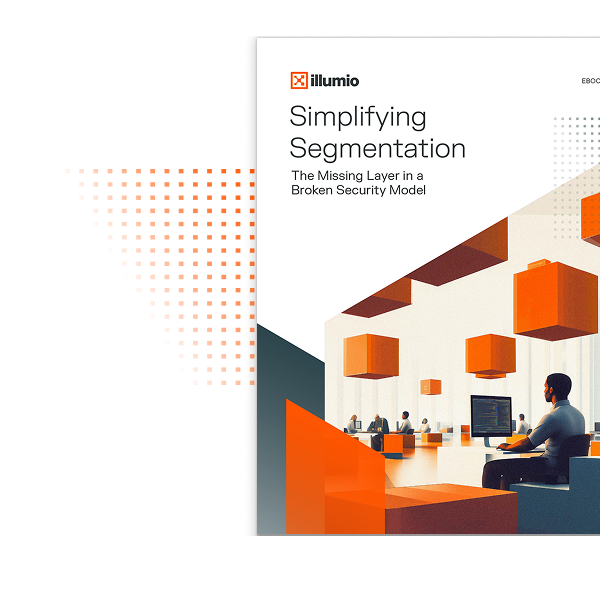
Simplifier la segmentation
Les cybermenaces se déplacent rapidement, se propagent discrètement et exploitent des connexions de confiance. La prévention ne suffit pas à les arrêter. Pour rester résilientes, les organisations doivent s’efforcer de contenir les attaques avant qu’elles ne prennent de l’ampleur. Ce livre numérique présente une feuille de route claire et progressive pour déployer la segmentation avec un risque minimal et une valeur mesurable.
Avez-vous besoin d’aide pour contenir une violation active ?
Découvrez comment l'isolation des incidents alimentée par l'IA aide votre équipe à accomplir plus avec moins de ressources.
FAQ sur l’isolement des incidents
Une violation est stressante. Savoir à quoi s’attendre et quoi faire change tout. Voici les réponses aux questions que nous posent le plus souvent les organisations confrontées à un incident en cours ou qui s’en remettent.
.svg)
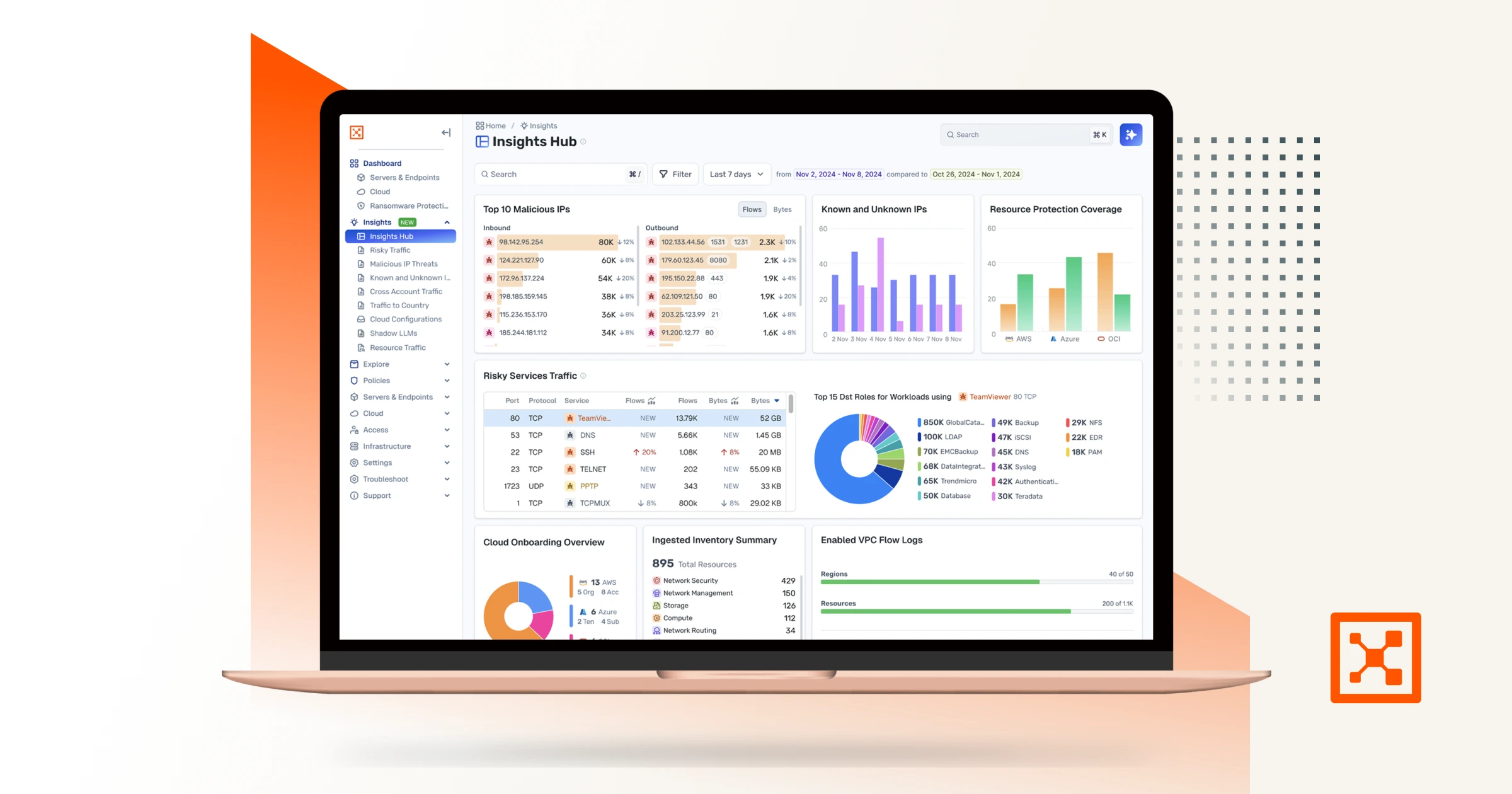


Illumio Insights
Découvrez la solution de détection et de réponse hybride multi-cloud, construite sur un graphe de sécurité alimenté par l’IA
L'étude sur le coût mondial des rançongiciels
Découvrez l'impact réel des rançongiciels et les stratégies pour être résilient face à la prochaine attaque inévitable.

Pensez comme un attaquant
POURQUOI LES GRAPHES DE SÉCURITÉ REPRÉSENTENT LA PROCHAINE FRONTIÈRE DE LA DÉTECTION ET DE LA RÉPONSE AUX MENACES