.png)

The Buyer’s Guide to Modern Microsegmentation
Four approaches that fail — and what actually stops lateral movement
Nearly every organization is looking to deploy microsegmentation — or thinks it already has. But most teams still rely on legacy methods tied to static IPs, fixed network layouts, and platform-specific tools. When workloads move, scale, or span hybrid environments, these controls break down.
This e-book compares the four most common approaches, shows where each falls short, and defines what modern microsegmentation requires. Use it to pressure-test your current posture and build a strategy that contains breaches when prevention fails.
What You'll Learn
- Why firewall-based, appliance-based, hypervisor-based, and agent-based segmentation each leave gaps in hybrid and multi-cloud environments
- The five requirements for modern microsegmentation, including identity-based policy and continuous adaptability
- How real-world ransomware simulations prove that effective segmentation stops lateral movement in its tracks
- What questions to ask before choosing a segmentation strategy
Highlights
Key benefits
Asset preview













The Essential 9: Why Critical Infrastructure Companies in Australia Need Zero Trust Segmentation
Zero Trust Segmentation should be on Australia's list of essential cybersecurity strategies to protect critical infrastructure companies.
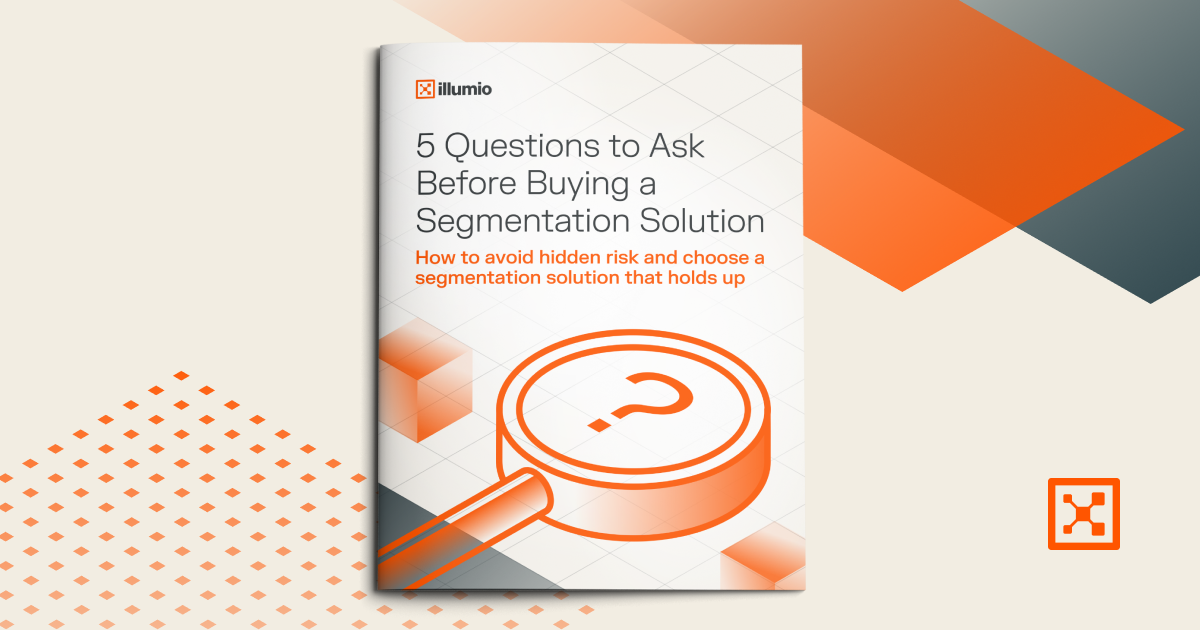
5 Questions to Ask Before Buying a Segmentation Solution
Learn the five critical questions to ask before buying a segmentation solution and avoid hidden risk with a Zero Trust architecture built to stop lateral movement.
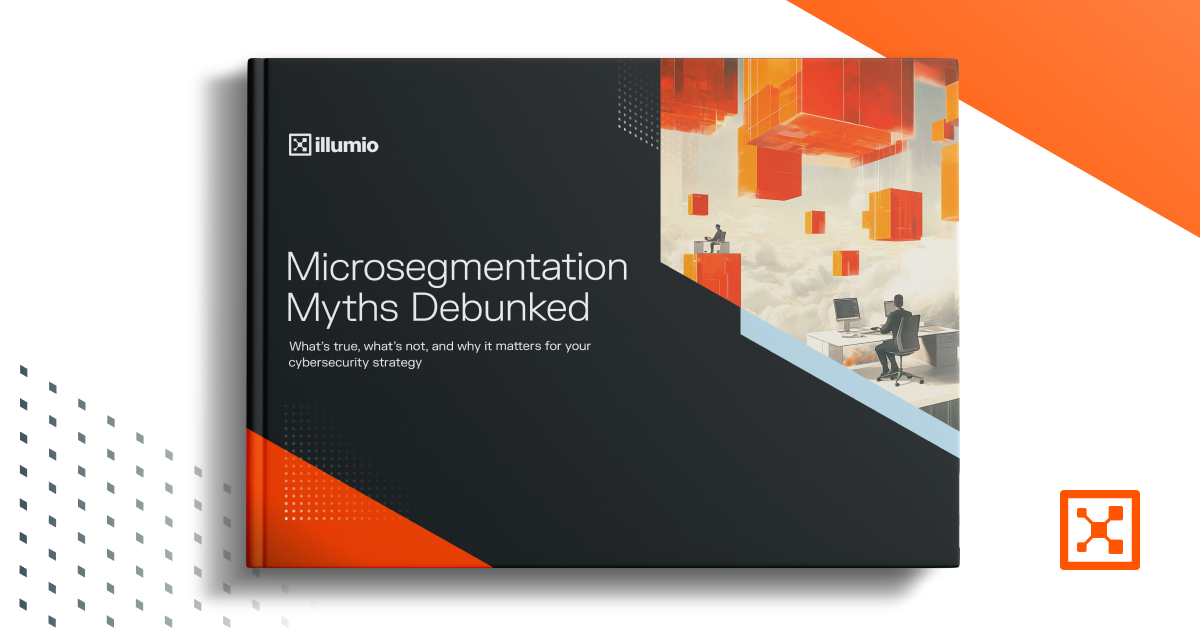
Microsegmentation Myths Debunked
Learn what's true about microsegmentation, what's not, and why it matters for your cybersecurity strategy.
Illumio for Criminal Justice Information Services
Learn how to contain breaches, protect sensitive data, and keep vital public services running with Illumio.
5 Questions to Ask Before Buying a Segmentation Solution
Learn the five critical questions to ask before buying a segmentation solution and avoid hidden risk with a Zero Trust architecture built to stop lateral movement.
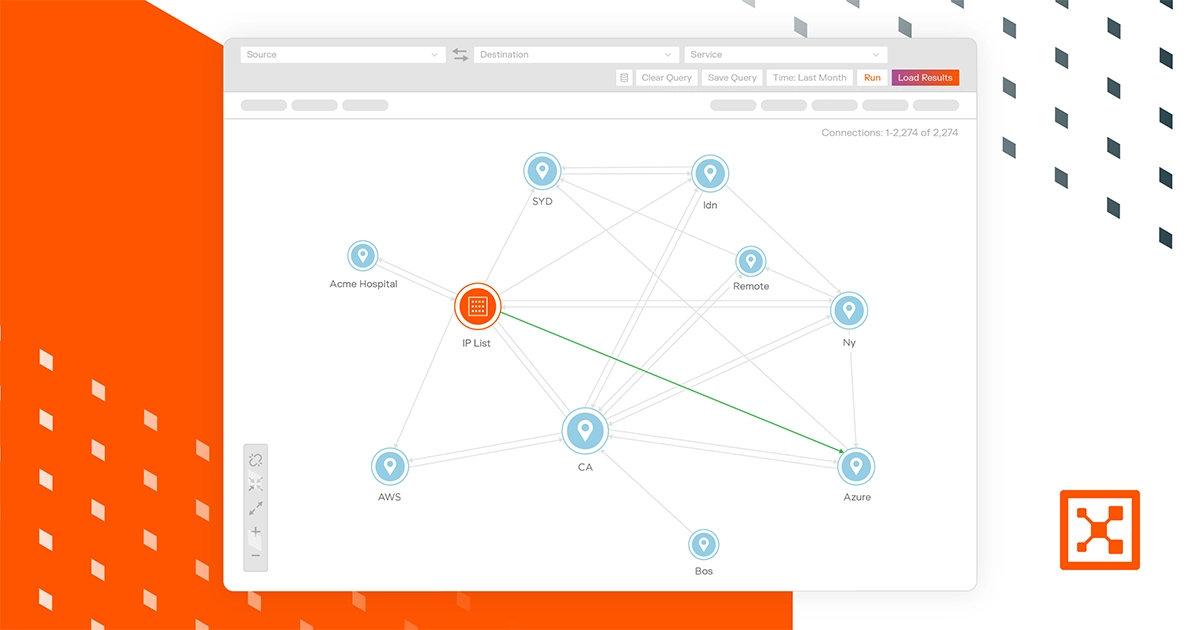
Illumio Segmentation
Control lateral movement to stop breaches and ransomware attacks from becoming cyber disasters.

The Buyer’s Guide to Detection and Response
Learn how to evaluate core detection and response technologies for today’s (and tomorrow’s) threat landscape.
.webp)
The Breach Containment Buyer's Guide
Understand how to separate containment claims from reality and what it takes to stop lateral movement before damage spreads.
.webp)
Zero Trust Segmentation for Dummies
11 seconds — the time it takes for the next cyberattack. Are you prepared?
Assume Breach.
Minimize Impact.
Increase Resilience.
Starting with the premise that the unexpected can happen at any time drives the following behaviors

